Disaster Insurance in Texas: A Practical Risk Strategy — No Matter Your ZIP Code



TXCPA is encouraging Texas lawmakers to support H.R. 7026, the Fiscal State of the Nation Act. This bill would give Congress clearer, more consistent financial insights and help strengthen long‑term fiscal decision‑making.
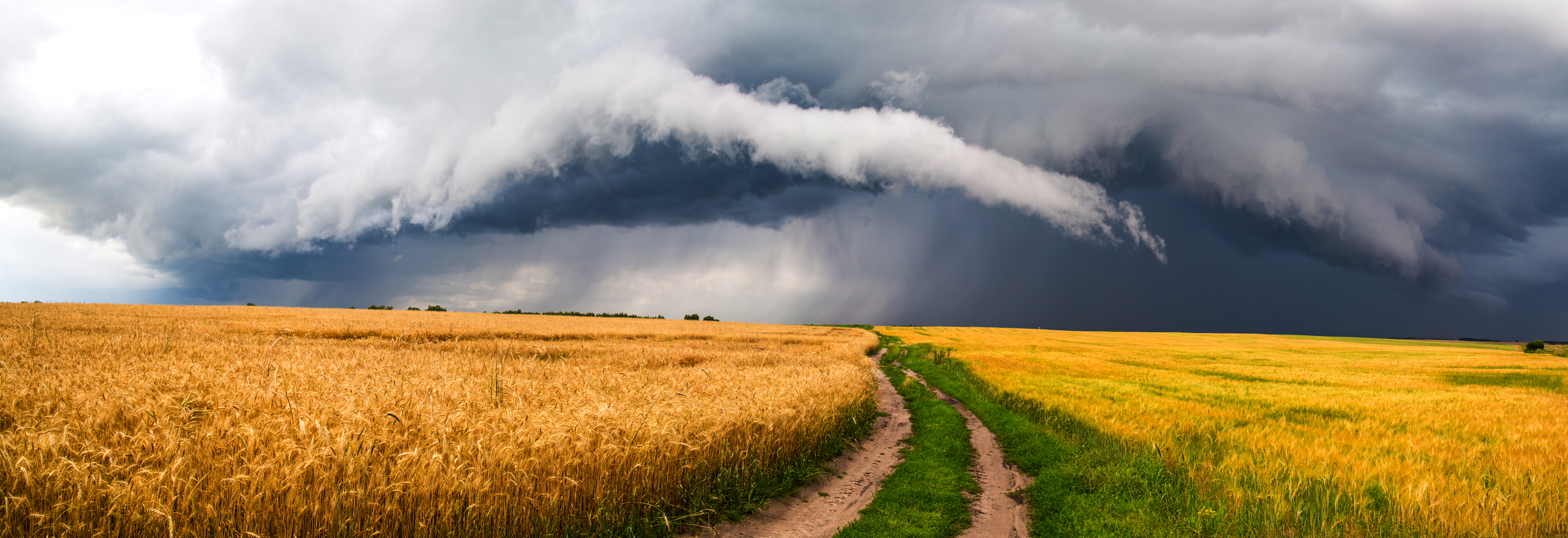
If you practice in Texas long enough, one pattern becomes clear: disaster risk is not regional — it’s statewide.
According to FEMA data, Texas has experienced more federally declared disasters than any other state, with more than 370 declarations since 1953. In recent years, nearly every county has been included in at least one federal disaster declaration.¹
Hurricanes along the Gulf Coast draw headlines. But tornadoes in North Texas, wildfires in West Texas, and winter freezes statewide have all produced significant financial losses.
For homeowners and renters alike, the exposure is real. The more important question is whether your existing coverage is structured to handle it.
The Risk Isn’t Just the Storm — It’s the Coverage Gap
Many Texans assume their homeowners or renters insurance policy provides complete protection. In reality, traditional property coverage often includes limitations that only become apparent after a claim is filed.
Common issues include:
- High deductibles before coverage begins
- Exclusions for certain perils, such as storm surge
- Caps on total payouts
- Depreciation applied to roofs, appliances, and personal property
- Extended timelines for reimbursement
Research from CoreLogic suggests that homes across the U.S. are frequently underinsured — sometimes by as much as 20% of replacement cost.² In a state where construction costs can surge after major disasters, that shortfall can translate into significant out-of-pocket expenses.
The risk, in other words, isn’t just physical damage. It’s liquidity strain at exactly the wrong time.
What Supplemental Disaster Insurance Is Designed to Do
Disaster insurance is not intended to replace homeowners or renters’ coverage. It is designed to complement it.
Unlike traditional policies that reimburse itemized losses, supplemental disaster coverage such as Recoop provides a lump-sum cash payment after a state or federally declared natural disaster. Funds are paid directly to the policyholder.
That structure provides flexibility. Proceeds may be used for:
- Temporary housing
- Covering high deductibles
- Immediate repairs
- Replacing essential belongings
- Bridging income disruption
- Managing unexpected expenses
Because the payment is not tied to itemized reimbursement, policyholders have greater discretion in how funds are applied.
For financially disciplined households, it functions as contingency capital during a period of disruption.
The “It Won’t Happen Here” Assumption
Historically, certain Texas regions were labeled higher risk than others. But population growth, development patterns, and shifting weather dynamics have broadened the impact zones for severe events.
Communities previously considered moderate risk are now experiencing billion-dollar storm losses. The geographic predictability of disaster exposure has narrowed.
If you own or rent property in Texas, exposure exists. The only variable is severity.
Who Should Evaluate Disaster Insurance?
Supplemental disaster insurance may be worth reviewing if you:
- Own a home in Texas
- Rent and want additional financial protection
- Have meaningful personal assets
- Prefer not to rely solely on reimbursement-based property claims
- Want liquidity available immediately after a declared disaster
In a state that consistently leads the nation in disaster declarations, this coverage is less about fear and more about disciplined preparation.
Planning Ahead, Not Reacting Later
Financial professionals routinely advise clients to prepare for low-probability, high-impact events. Natural disasters fall squarely into that category.
TXCPA members have access to Recoop Disaster Insurance — a multi-peril supplemental disaster policy designed to provide lump-sum protection following a state or federally declared natural disaster.
Preparation doesn’t eliminate risk. But it can reduce financial disruption.
To review eligibility and coverage details, visit:
https://txcpainsure.org/coverages/Other-Insurance/recoop-disaster-insurance
Sources
1. Federal Emergency Management Agency (FEMA), Declared Disasters by Year or State
https://www.fema.gov/data-visualization/disaster-declarations-states-and-counties
2. CoreLogic, 2023 Insurance Underwriting Report: U.S. Residential Underinsurance Trends
https://www.corelogic.com
Topics: