Electronic Signatures: Permanently Accepted on Some Paper-File-Only Forms



The IRS has approved the use of electronic signatures for certain forms that must still be filed on paper. This change streamlines the filing process by reducing the need for physical signatures while maintaining compliance requirements.
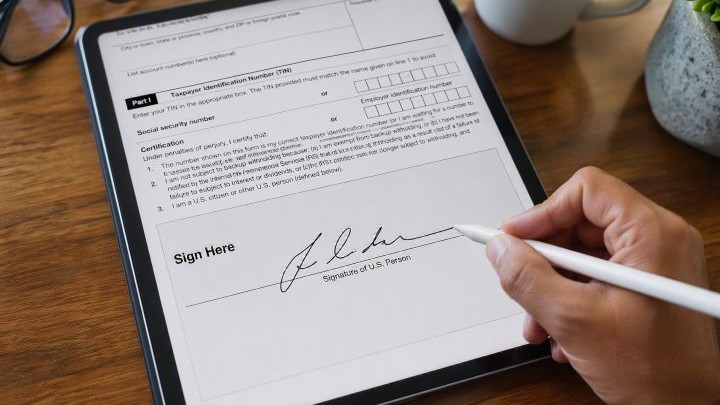
By Torakichi Jesús Oba Pérez, EA, CPA, CalCPAs
I have always doubted I have the right disposition to be an accountant. I’m terribly judgmental and this generally sets the wrong dynamic when clients ask for guidance on particularly sensitive subjects. About the only confirmation I have that this is the right line of work for me is how incredibly excited I was when the IRS announced that it would permanently accept electronic signatures on a handful of paper-filed forms.
Per the IRS website, the following meets the acceptable criteria for being an electronic signature:
The IRS will accept a wide range of electronic signatures. An electronic signature is a way to get approval on electronic documents. It can be in many forms and created by many technologies. Acceptable electronic signature methods include:
- A typed name typed on a signature block
- A scanned or digitized image of a handwritten signature that is attached to an electronic record
- A handwritten signature input onto an electronic signature pad
- A handwritten signature, mark or command input on a display screen with a stylus device
- A signature created by a third-party software
The IRS does not specify what technology a taxpayer must use to capture an electronic signature. The IRS will accept images of signatures (scanned or photographed) including common file types supported by Microsoft 365 such as tiff, jpg, jpeg, pdf, Microsoft Office suite or Zip.
The full listing of forms for which these electronic signatures are accepted is available here.
See the IRM update mentioning this here.
Thanks again, IRS!
Topics: