January 13, 2026
SECURE 2.0 and the One Big Beautiful Bill Act



By Ron Ulrich
As CPAs expand their advisory roles, recent legislative developments create timely opportunities to engage clients and employers in meaningful retirement planning conversations. The SECURE 2.0 Act, enacted in December 2022, introduces phased changes through 2025 and 2026 that impact both individual financial strategies and business-sponsored retirement plans. Yet many clients and employers remain unaware of these shifting rules – and the planning advantages they present.
Compounding these changes is the passage of the One Big Beautiful Bill Act (OBBBA), which overlaps with several SECURE 2.0 provisions and may influence how employers and employees approach retirement savings. Notably, the OBBBA makes permanent many elements of the 2017 Tax Cuts and Jobs Act (TCJA), reinforcing the need for proactive, informed guidance from trusted advisors.
To provide a more complete view of the OBBBA’s scope, Table 1 includes an overview of the law’s most significant provisions, including those beyond the retirement-specific changes.
What’s Next for SECURE 2.0?
Many Americans remain significantly underprepared for retirement. The SECURE 2.0 Act aims to change that by eliminating key barriers to increased savings. Building on the foundation of the 2019 SECURE Act, this legislation, signed into law at the end of 2022, broadens access to retirement plans – making it easier for employers to offer plans and for workers to participate.
Below is a look at how implementation is progressing, the practical challenges CPAs may face and what to anticipate as additional changes take effect.
Auto-Enrollment Mandate for New 401(k) and 403(b) Plans
Under the SECURE 2.0 Act of 2022, most new 401(k) and 403(b) plans must automatically enroll employees at a default contribution rate of 3 percent of pay, with automatic annual increases of 1 percent until reaching at least 10 percent. These provisions apply to plan years beginning on or after January 1, 2025.
Eligible employees are enrolled by default unless they choose to opt out. In preparation for final IRS guidance, employers should already be incorporating automatic-enrollment provisions into their plan documents.
However, the mandate exempts employers with 10 or fewer employees, businesses operating for less than three years and certain plan types such as governmental plans, church-sponsored plans and SIMPLE IRAs. Plans adopted prior to December 29, 2022, are also grandfathered in, regardless of their effective date.
Additionally, SECURE 2.0 introduces an “automatic portability” feature, enabling small account balances to transfer directly to a new employer’s plan when an employee changes jobs, helping preserve retirement savings and reduce early withdrawals.
On September 16, 2025, the IRS issued final regulations. Employers setting up new plans should ensure compliance with default enrollment provisions, assess eligibility for exemptions and monitor IRS updates closely.
Student Loan Assistance
Employees struggling to repay student loans often forgo contributing to retirement plans, missing not only long-term savings opportunities but also potential employer matching contributions. To address this, the new SECURE 2.0 provisions allow employers to make matching retirement plan contributions based on an employee’s qualified student loan payments – even if the employee does not contribute directly to the plan. This provision applies to borrowers and co-signers making payments on behalf of themselves or their dependents, provided they certify their loan payments annually.
Separately, the Tax Cuts and Jobs Act (TCJA) of 2017 introduced a tax deduction for employers offering student loan repayment assistance. The OBBBA has made this deduction permanent and indexes the current $5,250 qualified educational assistance limit for inflation starting in 2026.
While SECURE 2.0's student loan match provision offers an innovative long-term benefit, the permanence of the TCJA deduction may lead some employers to favor the simpler, immediate tax benefit for now. As a result, adoption of the retirement match tied to student loan payments may be slower in the near term, though it is still expected to become a common feature over time.
Retirement Plan Access for Long-Term Part-Time Employees
As of 2025, anyone who has worked at least 500 hours per year for two consecutive years will be eligible to join their employer’s retirement plan, down from the previous three-year threshold. This rule only applies if a plan uses service-based or minimum hours of service exclusions.
In October 2024, the IRS issued guidance on including long-term part-time staff in 403(b) plans. Although final rules for 401(k) plans haven’t been released, proposed regulations appeared in November 2023 and the IRS has stated that any effective date won’t precede plan years starting January 1, 2026.
Expanded Catch-Up Contributions for Ages 60–63
As of January 1, 2025, SECURE 2.0 enables individuals aged 60 to 63 to make enhanced catch-up contributions to their employer-sponsored retirement plans. They can contribute the greater of $10,000 or 150 percent of the standard catch-up limit, which will be $11,250 for 2025 (with inflation adjustments in subsequent years).
This exceeds the standard $7,500 catch-up limit available to those aged 50 and older, providing an important opportunity for higher earners approaching retirement to increase their savings. For more information, refer to the IRS guidance on 401(k) limit increases and catch-up contributions for 2025.
Roth Catch-Up Contributions for High Earners (2026)
Beginning January 1, 2026, employees who earn over $145,000 (indexed for inflation) from the same employer in the previous year will be required to use a Roth (after-tax) account for their catch-up contributions. This has significant implications for payroll and retirement plan systems. The transition from pre-tax to Roth will also affect paycheck amounts, which must be clearly communicated to employees.
In January 2025, the Department of the Treasury and the IRS issued proposed regulations to help plan administrators implement and comply with the new Roth catch-up rule. Employers will have the option to automatically switch employees' contributions from pretax to Roth without needing new authorization.
In addition, the IRS has provided a few options on how to correct errors, which will allow employees to keep assets in the plan.
Saver’s Match (Coming in 2027)
In 2027, the federal government will provide a matching contribution of up to $1,000 annually for eligible individuals contributing to retirement accounts, replacing the current nonrefundable Saver’s Credit. This aims to incentivize lower- and middle-income individuals to save for retirement. Formal IRS guidance on the Saver’s Match is pending.
OBBBA: Tax-free Savings Accounts for Children
While not part of SECURE 2.0, a provision in the OBBBA may influence retirement savings decisions. These accounts are tax-deferred savings vehicles for children under age 18. Parents will be able to contribute up to $5,000 annually, with the accounts structured similarly to traditional IRAs. Employers can also contribute up to $2,500 of the $5,000 limit.
Initial language in the OBBBA legislation indicates potential uses may include retirement savings, education costs or even seed capital for entrepreneurial ventures. These new accounts could influence how families allocate funds between personal retirement savings and child-focused accounts, especially if employer contributions are involved. Employers and advisors will need to communicate clearly about the options and tax implications.
Navigating the Shifts in Retirement Planning
With the SECURE 2.0 Act and the OBBBA reshaping retirement policy, CPAs and advisors are well positioned to help clients and employers navigate new opportunities and compliance requirements. From auto-enrollment mandates and student loan matches to expanded catch-up contributions and new tax-advantaged accounts, these changes call for timely, informed guidance.
As IRS rules continue to roll out, staying ahead of implementation details will be key to helping maximize benefits and make strategic, forward-looking decisions.
Related CPE: Beyond Borders: Navigating H.R. 1's New International Tax Rules Rethinking Estate Planning After H.R. 1 for CPAs and Advisers |
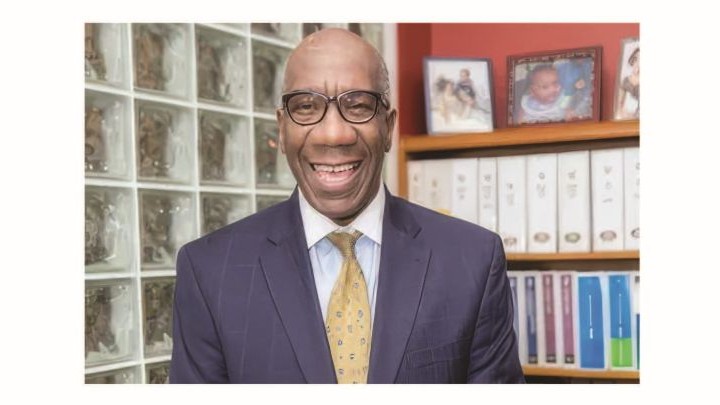
About the Author: Ron Ulrich is Service Executive for ADP Retirement Services. He is responsible for delivering products and services to plan sponsors to help them maintain their retirement plans in compliance with all applicable IRS and DOL regulations. Ron also works with plan sponsors to design and implement plan features that will enhance the overall health of their plan, streamline administration, and help participants define and achieve their retirement goals.

Navigating SECURE 2.0 and the OBBBA: Key Business Challenges 1. Confusion About the New Rules. Many clients and employers remain unaware of SECURE 2.0 and the OBBBA. Clear guidance transforms complex, phased changes into actionable strategies. 2. Compliance Risks for Employers. Auto-enrollment mandates, Roth catch-up contributions and other new requirements starting in 2025–2026 require updates to plan documents, payroll systems and employee communications. 3. Missed Tax-Saving Opportunities. Expanded catch-up contributions, Saver’s Match benefits, student loan matches and permanent TCJA deductions create openings for strategic planning and increased savings. 4. Retirement Plan Design Challenges. Long-term part-time employees, auto portability and plan eligibility rules demand thoughtful plan design and operational readiness. 5. Confusion About Law Interactions. Overlapping provisions in SECURE 2.0 and the OBBBA impact both employer and individual retirement strategies. Consolidated advice helps navigate these intersections. 6. New Family Savings Vehicles. Tax-free children’s accounts under the OBBBA may shift retirement and education planning priorities, influencing how families and employers allocate resources. 7. Staying Ahead of IRS Guidance. With key rules rolling out through 2027, proactive monitoring ensures plans maximize benefits and adapt to evolving regulations. |
Thanks to the Sponsors of Today's CPA Magazine
This content was made possible by the sponsors of this issue of Today's CPA Magazine: